Experience 4000 Years of Vietnamese Cultural Heritage Through Art and Cuisine at VietCharm Show
Vietnam is often described as a country with over 4,000 years of Vietnamese cultural heritage, where every region, folk melody, and traditional dish carries stories shaped by time. Yet this heritage lives far beyond museums and history books, it continues to thrive through traditional performing arts, cultural traditions, and Vietnamese cuisine.
For many travelers, discovering Vietnam today means more than visiting famous landmarks. It is about truly experiencing the culture — watching traditional performances, tasting authentic dishes, and immersing in local spaces where the true spirit of Vietnam comes alive.
The Origins of 4,000 Years of Vietnamese Cultural Heritage
The roots of Vietnamese cultural heritage can be traced back thousands of years to early agricultural civilizations along the Red River and Ma River basins.
During the Đông Sơn period, bronze drums, agricultural festivals, and ancestor worship became central elements of community life. Villages developed strong cultural bonds based on rice farming, collective traditions, and spiritual beliefs.
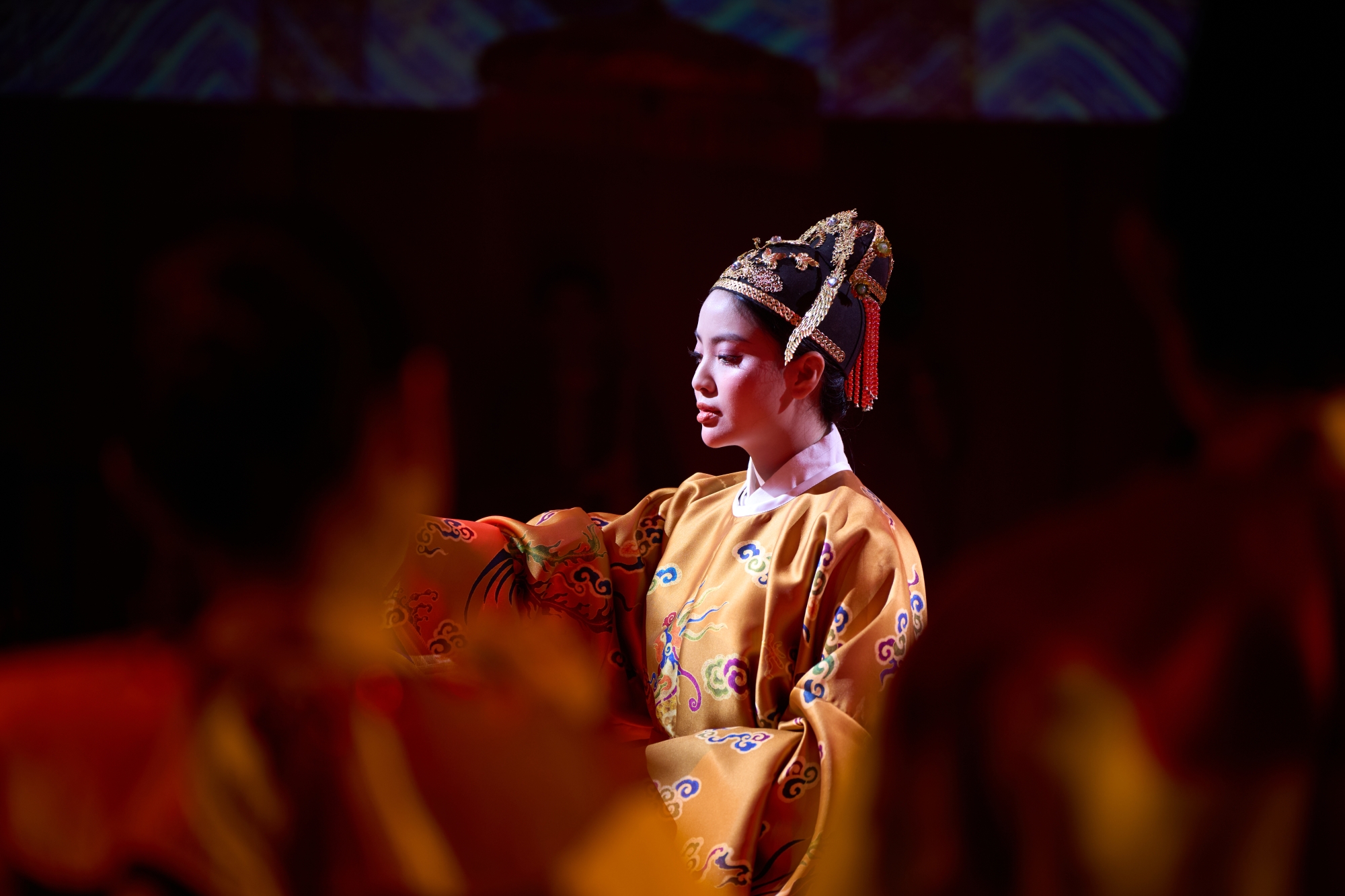
Vietnam’s 4,000-year cultural heritage remains a source of national pride
Through historical dynasties such as the Lý, Trần, Lê, and Nguyễn, Vietnamese traditional culture continued to flourish through both royal and folk performing arts, including:
- Chèo traditional theater
- Tuồng (classical Vietnamese opera)
- Ca trù singing
- Huế royal court music
- Water puppetry
- Traditional seasonal festivals
These artistic traditions were not created solely for entertainment. They reflect the history, spirituality, and worldview of the Vietnamese people.
This deep connection between art, daily life, and community values has shaped the rich 4,000-year legacy of Vietnamese cultural heritage that continues today.
Vietnamese Folk Arts: Living Cultural Stories
Across Vietnam’s S-shaped landscape, Vietnamese folk arts vary by region, each representing unique cultural identities.
Northern Vietnam is known for spiritual performances such as Chầu Văn singing, closely associated with the Mother Goddess belief system. Folk traditions like Quan họ and Chèo theater reflect community festivals and village life.
In Central Vietnam, cultural traditions carry a strong influence from imperial history. Huế royal court music and classical opera preserve the elegance and ritualistic nature of the former royal court.

Chầu văn has been recognized as an important part of Vietnam’s cultural heritage.
Meanwhile, Southern Vietnam expresses a more relaxed and emotional cultural style through Đờn ca tài tử, cải lương theater, and the iconic vọng cổ melodies that echo across the Mekong Delta.
Through music, movement, and storytelling, these art forms bring Vietnamese cultural heritage to life for modern audiences.
Vietnamese Heritage Cuisine: Culture Through Flavor
Food is one of the most essential expressions of Vietnamese cultural heritage. While performing arts tell stories through sound and movement, Vietnamese heritage cuisine preserves history through flavors, ingredients, and long-standing culinary traditions passed down through generations.
Across Vietnam, each region offers distinct tastes and cooking styles that reflect its local culture and history. Northern cuisine is known for its balance and elegance, featuring iconic dishes such as “phở”, “bún thang”, and “chả cá”.
In Central Vietnam, the cuisine is characterized by bold flavors and refined presentation. Many dishes, including “bún bò Huế” and “mì Quảng”, reflect the rich cultural legacy of the former imperial capital.
Meanwhile, Southern cuisine is vibrant and generous, offering flavorful dishes such as “lẩu mắm”, “cá kho tộ”, and “bánh xèo”, along with a variety of fresh tropical fruits inspired by the fertile Mekong Delta.
For travelers, exploring Vietnamese cuisine is more than just a culinary adventure. It is a cultural journey that reveals the diversity and heritage of Vietnam from north to south.
The Growing Popularity of Vietnamese Cultural Experiences
In recent years, modern travelers have increasingly sought immersive cultural experiences rather than traditional sightseeing. Instead of simply visiting famous landmarks, many visitors prefer experiences that allow them to engage more deeply with local culture.
In Vietnam, this often means spending time in authentic cultural spaces where guests can watch traditional performances, explore local architecture, and enjoy regional cuisine within a single curated experience.
This growing interest has contributed to the development of new cultural tourism models that combine art, architecture, cuisine, and storytelling. These experiences allow visitors to discover Vietnamese cultural heritage in a more engaging and meaningful way.
Rather than remaining passive spectators, guests become active participants in living cultural narratives, where heritage is expressed through performance, flavor, and human connection.
VietCharm Show – Where Vietnam’s Cultural Heritage Comes to Life Through Art and Cuisine
In Ho Chi Minh City, one of the most notable examples of this immersive cultural trend is the VietCharm Show, a Vietnamese dinner show that brings together cultural performances and fine dining in a single experience.
Inspired by successful dinner show models in many countries, VietCharm creates a multi-sensory cultural journey that unfolds over several hours. In this carefully curated experience, Vietnamese performing arts, architectural ambiance, and refined Vietnamese cuisine come together to form a memorable evening.
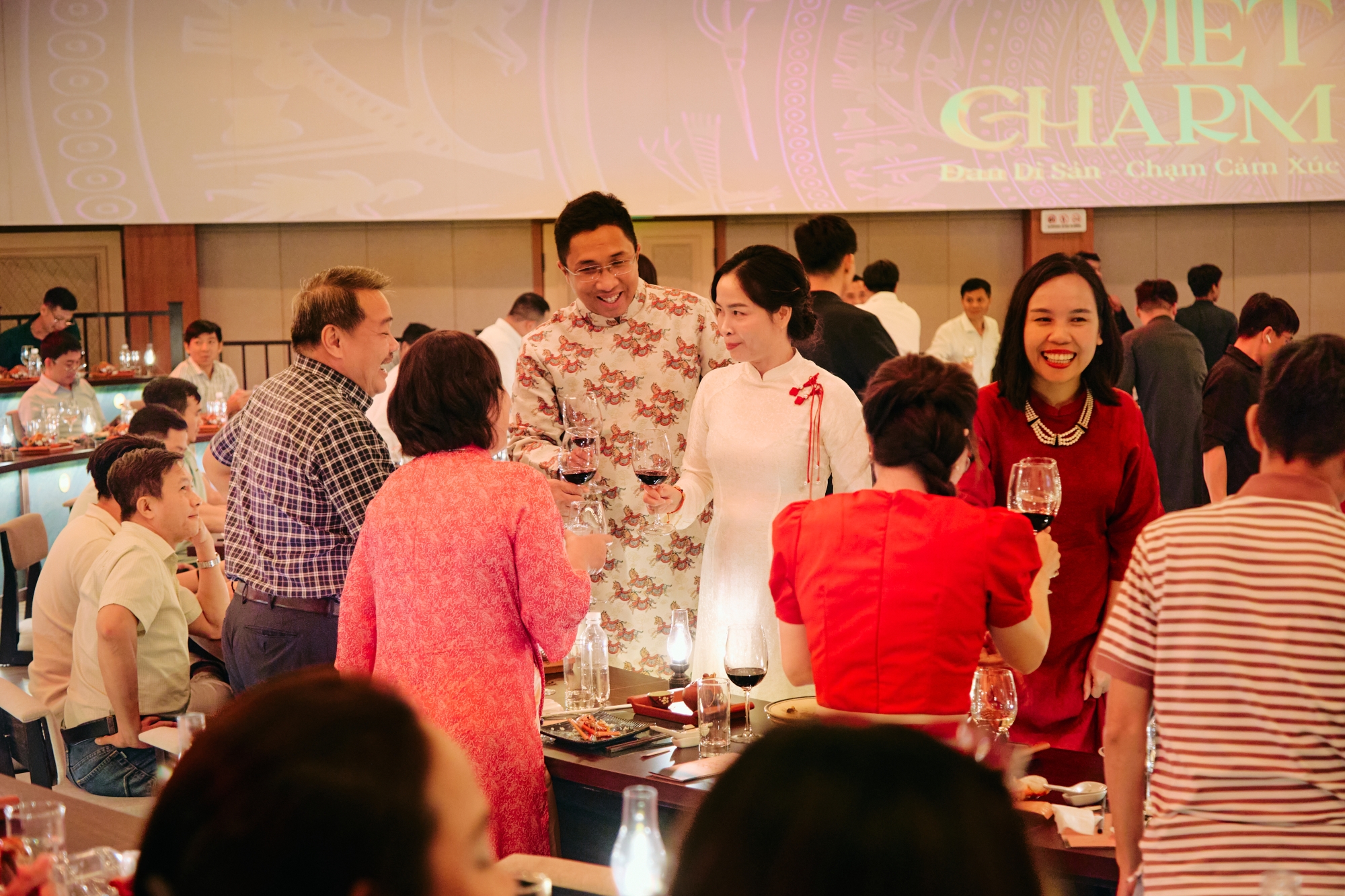
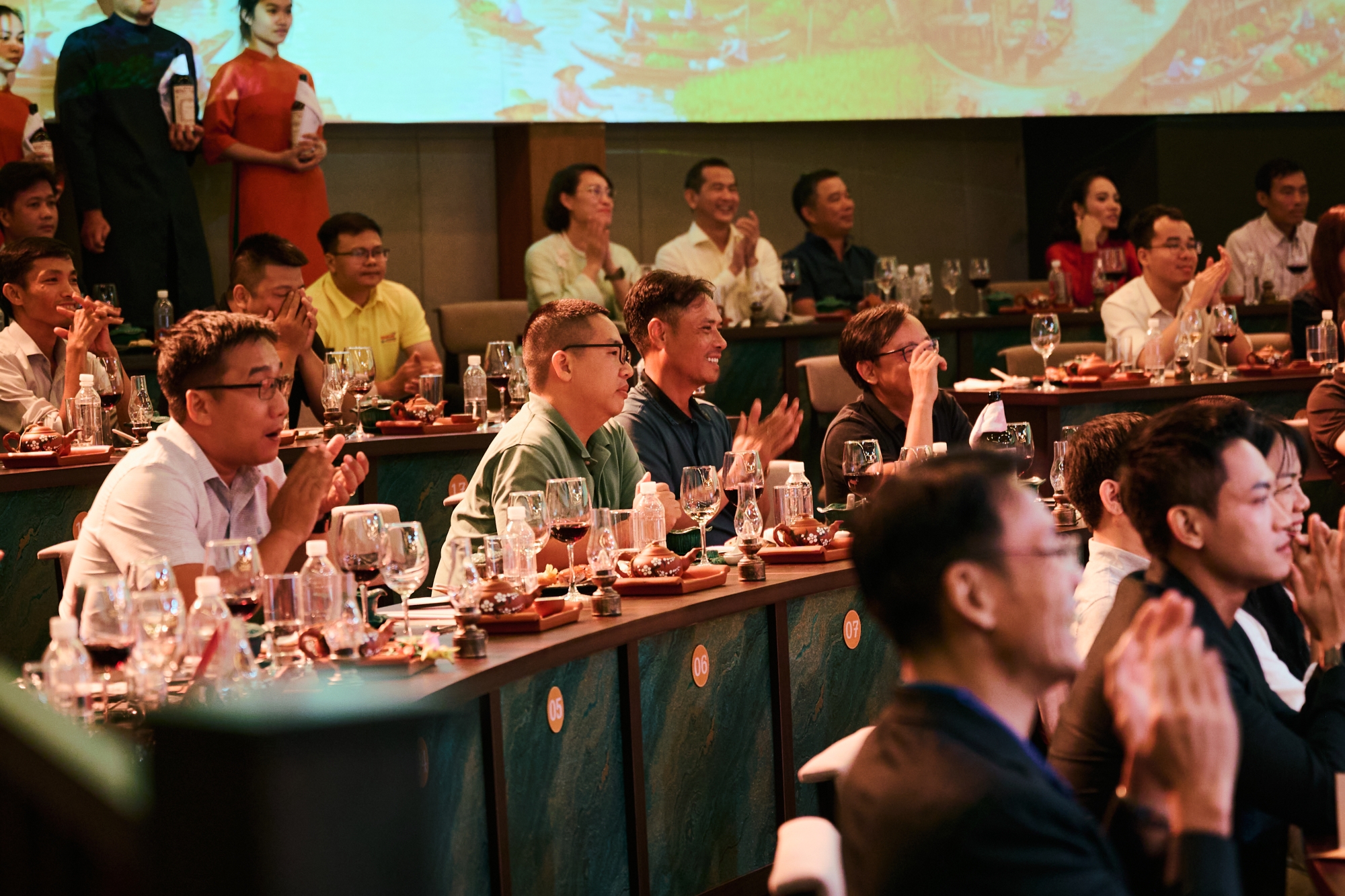
Guests do not simply attend the show as spectators. Instead, they are invited to immerse themselves in the atmosphere throughout the night — enjoying a thoughtfully prepared dining menu reminiscent of a royal feast while watching performances such as Tuồng (classical Vietnamese opera), traditional folk dances, and cultural showcases representing the three regions of Vietnam. At the same time, visitors can relax, socialize, and enjoy the elegant yet welcoming environment.
Beyond watching the performances, audiences can also take part in interactive moments throughout the program. Artists often engage directly with guests, inviting volunteers on stage to experience traditional folk games or participate in selected performance segments. These interactions blur the boundary between performers and audiences, transforming the evening from a passive show into a living cultural journey where every guest becomes part of the story.
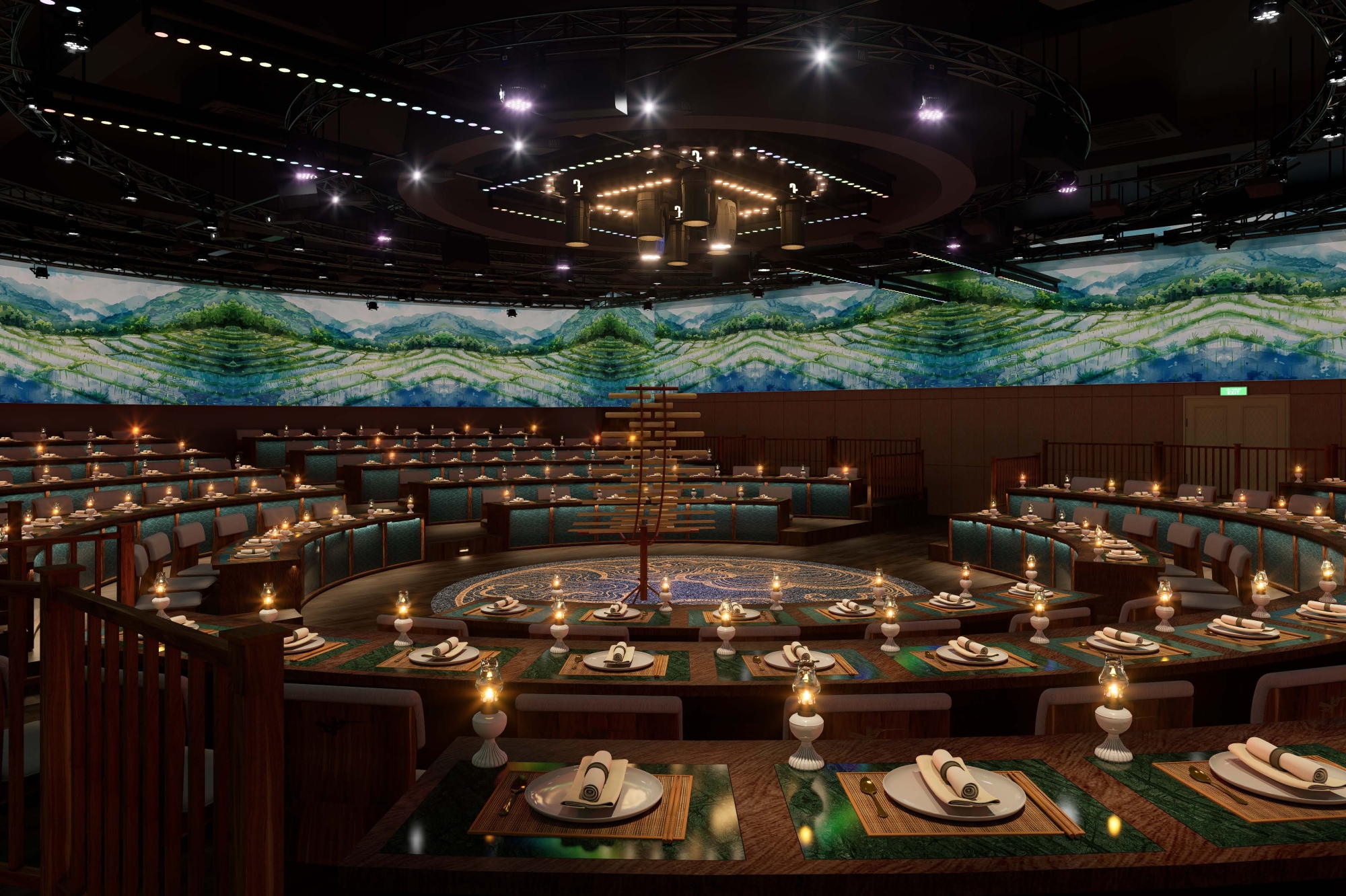
VietCharm Show: An Immersive 360-Degree Theater Experience
The show takes place at Independence Palace, one of the city’s most iconic historical landmarks. This setting adds historical depth to the experience, allowing visitors to explore Vietnamese culture within a heritage space.
Combined with a 360-degree stage design, every movement of the performers can be viewed from multiple angles, creating a more immersive and intimate experience compared to traditional theater formats.
At VietCharm Show, Vietnam’s 4,000-year cultural heritage is no longer just a story told in books. It becomes a multi-sensory journey that audiences can experience through sight, sound, and taste.
Discover Vietnamese Culture in One Unforgettable Evening
For travelers looking to explore Vietnam beyond typical tourist attractions, cultural experiences that combine traditional arts and heritage cuisine offer a deeper understanding of the country’s history and traditions. Sometimes, in just one evening, it is possible to journey through thousands of years of culture.
In the heart of Ho Chi Minh City, VietCharm Show invites guests to experience 4,000 years of Vietnamese cultural heritage through art, storytelling, and cuisine — all within a single unforgettable night. Visitors can check the VietCharm Show schedule to plan their cultural evening in Ho Chi Minh City.
Suggested article
.jpeg)

